
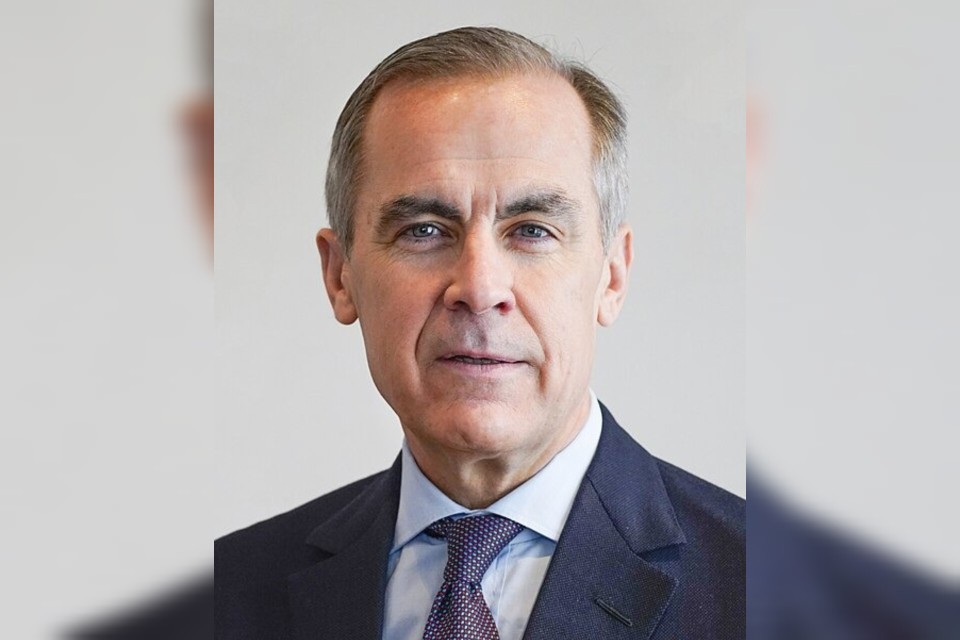
Prime Minister Mark Carney has initiated talks with British Columbia Premier David Eby to consider revising Canada’s federal carbon pricing benchmark, aiming for closer alignment with Alberta’s newly unveiled framework. The discussions, held in Vancouver, come as part of Carney’s broader strategy to develop a more predictable national carbon pricing system that harmonizes economic growth with environmental responsibilities.
This initiative follows a recent agreement between Carney and Alberta Premier Danielle Smith, which set a new carbon pricing trajectory for Alberta. The plan will see the province’s carbon price rise to $130 per tonne by 2040, a figure below the current federal target of $170 per tonne by 2030. This adjustment reflects a shift towards more regionally tailored approaches within Canada’s overall environmental policy framework.
Premier Eby, while supportive of economic development, emphasized the importance of environmental protection as a crucial condition for any forthcoming agreements. He particularly highlighted this stance in the context of new oil pipeline proposals to the West Coast. Eby reiterated British Columbia’s commitment to the North Coast tanker ban and advocated for a more robust role for the province in federal energy deliberations.
Addressing potential infrastructure projects, Carney clarified that any future pipeline initiatives would need to deliver substantial economic benefits to British Columbians and involve comprehensive consultation with Indigenous communities. This includes exploring opportunities for partnerships and co-ownership with Indigenous groups, ensuring their active participation and benefit from such projects.
Additionally, Carney underscored the strategic importance of expanding the Port of Vancouver. This expansion is part of Canada’s efforts to boost exports to Asian markets and decrease reliance on U.S. trade. He noted that progress on future infrastructure and energy projects hinges on collaboration among governments, First Nations, and industry stakeholders. Both leaders expressed optimism about the potential for significant projects in British Columbia, aligning with the federal government’s broader infrastructure and trade strategy.