
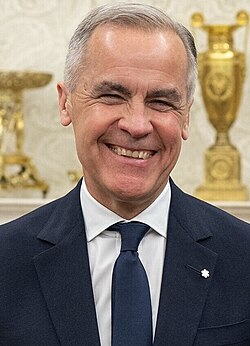
Amid rising global tensions, Canadian Prime Minister Mark Carney emphasized Europe’s pivotal role in shaping a new international order during his appearance at the European Political Community meeting in Yerevan, Armenia. As the first non-European leader to attend this gathering, Carney expressed optimism that Europe could lead the reconstruction of a global order based on values and strength, resisting a shift towards a more transactional and insular world. His remarks subtly hinted at a waning American leadership and underscored Canada’s commitment to European political engagement.
This meeting comes at a critical time, marked by the U.S.’s controversial decision to withdraw over 5,000 troops from Germany, raising concerns about NATO’s stability. British Prime Minister Keir Starmer acknowledged the strain on traditional alliances, stressing that leaders’ responses could shape international relations for generations. French President Emmanuel Macron echoed this sentiment, highlighting Europe’s efforts to bolster its defense and security capabilities independently.
Ukrainian President Volodymyr Zelenskyy warned of a pivotal moment for Russia, suggesting that the coming summer could either escalate the conflict or open doors for diplomacy. He urged the maintenance of sanctions against Russia and insisted on Europe’s active involvement in any diplomatic negotiations. Meanwhile, NATO’s chief, Mark Rutte, acknowledged past disappointments from the U.S. regarding Europe’s stance on the Iran conflict but assured that Europe was now more supportive of U.S. operations.
The European Political Community meeting, its eighth since inception, strategically chose Yerevan as the venue, symbolizing Europe’s resolve to keep Armenia from Russia’s influence. EU foreign policy chief Kaja Kallas expressed surprise at the timing of the U.S. troop withdrawal announcement, emphasizing the need to reinforce Europe’s role within NATO. The U.S. troop presence in Europe, as of the end of 2025, included 36,436 in Germany, 12,662 in Italy, and 3,814 in Spain, highlighting the strategic significance of these deployments.
Concerns have been further fueled by U.S. President Donald Trump’s suggestions of potential troop reductions in Italy and Spain, due to perceived insufficient support from these governments for U.S.-Israeli actions against Iran. German Chancellor Friedrich Merz, who was absent from the Yerevan summit, maintained his commitment to the transatlantic alliance despite these developments, indicating an ongoing desire to cooperate with the U.S. and President Trump. The unfolding geopolitical dynamics underscore a crucial phase for Europe as it navigates its future role on the global stage.