
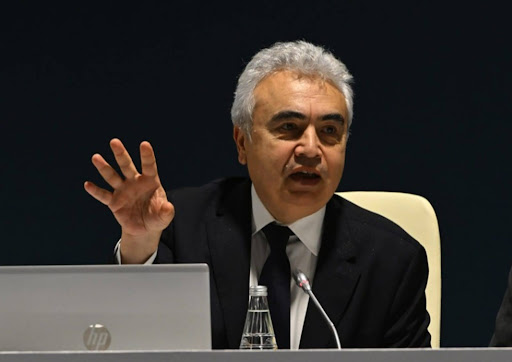
The Iran war’s disruption to Gulf energy supply and the Strait of Hormuz transit may force a permanent restructuring of global energy trade flows, with lasting consequences for markets, infrastructure investment, and geopolitical relationships, the head of the International Energy Agency has warned. Fatih Birol, speaking in Canberra, said that if the crisis persisted for long enough, energy buyers and sellers would be forced to establish new supply relationships and transit arrangements that would outlast the conflict itself. He described the overall emergency as equivalent to the combined force of the 1970s twin oil shocks and the Ukraine gas disruption.
Birol drew a parallel with the European gas market transformation following Russia’s 2022 invasion of Ukraine, which had permanently restructured European gas supply away from Russian pipelines toward LNG and alternative sources. A similar structural shift was now possible in global oil and LNG markets, as Asian buyers sought alternatives to Gulf supply and Gulf producers sought alternative export routes. He said these shifts, while painful in the short term, could ultimately lead to more diversified and resilient global energy trade patterns.
The conflict began February 28 with US and Israeli strikes on Iran and has since removed 11 million barrels of oil per day and 140 billion cubic metres of gas from world markets. At least 40 Gulf energy assets have been severely damaged, and the Hormuz strait — through which approximately 20 percent of global oil flows — remains closed. The IEA deployed 400 million barrels from strategic reserves on March 11 in its largest emergency action.
Birol confirmed further releases were under consideration and said consultations with governments across three continents were ongoing. He called for demand-side measures including remote work, lower speed limits, and reduced commercial aviation. He met with Australian Prime Minister Anthony Albanese and said Australia’s LNG export capacity positioned it well to benefit from — and contribute to — any restructuring of Asian energy supply patterns.
Trump’s 48-hour ultimatum to Iran to reopen the strait expired without result, and Tehran threatened retaliatory strikes on US and allied energy and water infrastructure. Birol concluded that governments and energy companies needed to simultaneously manage the immediate crisis and plan for the possibility of permanently altered global energy trade flows. He said strategic investments made now in alternative supply relationships and transit infrastructure would pay dividends for decades.