
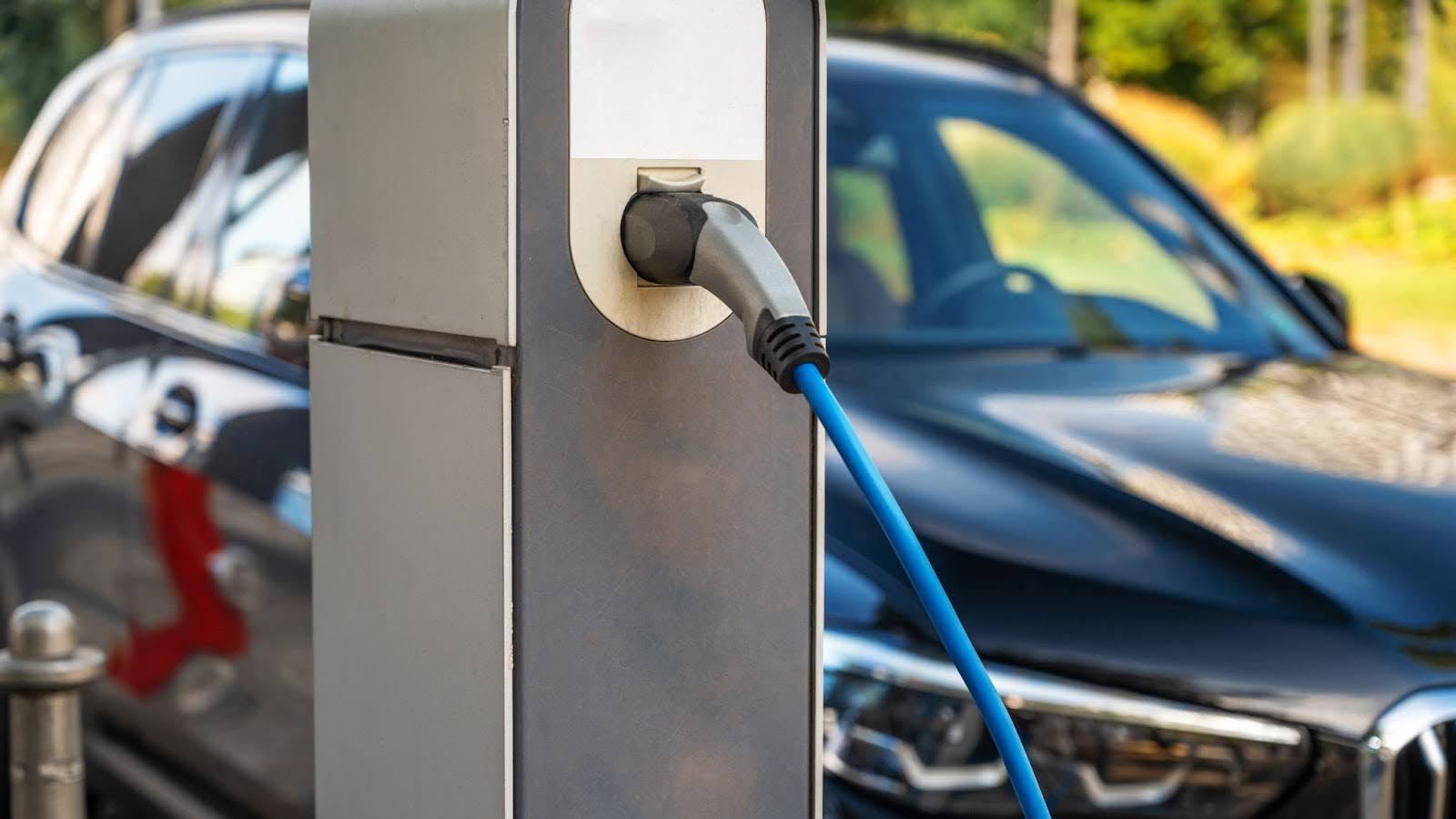
For American households with two vehicles, the current gas price environment is prompting a specific and practically relevant calculation that is reshaping US interest in electric vehicles: which of our two cars should be replaced with an electric vehicle first? This calculation is one that millions of American families are working through right now, motivated by $3.90-per-gallon gasoline and made practically feasible by the availability of used EVs at sub-$25,000 prices. The answer they reach will shape both the US EV market and individual household energy economics for years to come.
The calculation begins with the Iran conflict’s elevation of gasoline to its highest national average in nearly three years. Iran’s closure of the Strait of Hormuz following US and Israeli military strikes disrupted the waterway carrying roughly one-fifth of global oil supply, elevated crude prices, and delivered higher fuel costs to American households across the country. For two-car families, the question is not whether an EV makes sense in principle, but where to start practically.
CarEdge’s Justin Fischer said two-car family dynamics are particularly favorable for first EV adoption. The second vehicle in a two-car household serves as a backup for situations where the EV’s range or charging situation might present challenges — reducing the range anxiety that single-vehicle households face more acutely. This dynamic has been a significant driver of EV adoption in early-adopting households, and the current financial motivation is bringing it to a much broader demographic.
The typical calculation favors replacing the higher-mileage, shorter-trip vehicle with an EV first. A daily commuter vehicle with predictable shorter routes and home charging access is the ideal first EV in most two-car households. Edmunds’ Jessica Caldwell said this sequenced approach has been the most common path for two-car families entering EV ownership, and it remains the recommendation most aligned with the practical needs of families new to electric transportation.
The used EV at sub-$25,000 makes the sequenced approach financially accessible. Replacing one vehicle in a two-car household with a pre-owned Tesla or Chevy Equinox EV at $22,000 while keeping the existing second vehicle is a financially manageable transition for many middle-income American families. The motivation is there at $3.90 gas. The vehicles are there at $25,000 and under. The two-car calculation, for a growing number of families, is resolving in EV’s favor.