
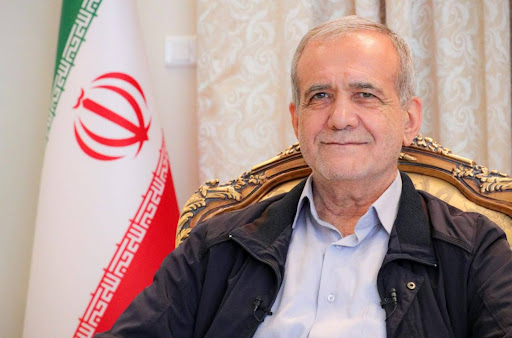
As the Iran-US war spreads its effects across the Gulf region, Iranian President Masoud Pezeshkian has demanded that neighboring countries expel foreign military forces and stop enabling the conflict. His statement on X addressed Gulf leaders directly, linking their security and development to the decision to remove US and Israeli military operations from their lands. The message came as the war exceeded one month with no ceasefire in sight.
Saudi Arabia, the UAE, Oman, Kuwait, and Qatar have been pulled into the conflict through American military bases on their soil. The US has used these bases to strike Iran, while Tehran has responded with retaliatory attacks inside those countries. The expanding conflict has put Gulf governments in a deeply uncomfortable position with both domestic and international implications.
Pezeshkian stated that Iran only retaliates and does not initiate military action, but warned that attacks on Iranian infrastructure or economic assets will always be met with a strong response. He appealed to Gulf governments to refuse further use of their territories for enemy operations, framing this as the essential step toward regional stability. His message was both a warning and a strategic appeal to regional self-interest.
Pakistan has taken on a key role in seeking a peaceful resolution. Prime Minister Shehbaz Sharif said Pezeshkian made clear that trust is a fundamental condition for any peace talks to proceed. Pakistan’s foreign ministry has organized a significant diplomatic gathering in Islamabad with the foreign ministers of Saudi Arabia, Egypt, and Turkey to discuss pathways toward de-escalation.
Pakistan’s Ishaq Dar will chair the talks and also meet with Prime Minister Sharif. Iran has praised Pakistan’s constructive mediation and expressed hope that the diplomatic effort will gain traction. The Islamabad meetings represent a critical test of the international community’s ability to bring this conflict closer to resolution.