
Historians are already calling the March 2026 airstrikes the definitive end of the “revolutionary era” that began in 1979. While the system may survive in some form, the specific version of theocratic rule established by Khomeini and refined by Khamenei died on February 28. The “uncharted territory” is not just about a new leader, but a new, more cynical phase of Iranian history.
The “widespread disillusionment” noted by observers suggests that the revolutionary zeal of the past has been replaced by a weary pragmatism—or a desperate survivalism. The accidental “death to Khamenei” chant was the epitaph for an era where the Leader was seen as a sacred figure. Today, he is a figure of history, and the system he built is being held together by the raw power of the IRGC.
The 40 days of mourning will be a performative exercise in nostalgia, but the real movement is toward a more conventional, albeit militarized, state. The transition to a post-Khamenei world is forcing the Islamic Republic to face its own internal contradictions: can it be a modern regional power and a 7th-century theocracy at the same time?
The joint US-Israeli action has forced this question to the forefront decades earlier than the regime intended. By “decapitating” the leadership, the West has stripped away the layers of ideological protection, leaving only the military core. What remains is a nation that looks less like a revolutionary cause and more like a standard authoritarian regime under siege.
The legacy of the late leader will be debated for generations. Was he the “pillar of stability” his supporters claim, or the “wicked dictator” described by his enemies? As the smoke clears over Tehran, one thing is certain: the Islamic Republic will never be the same. The 1979 vision has finally met its sunset.
The Sunset of the 1979 Vision: Is the Death of the Leader the End of the Revolution?
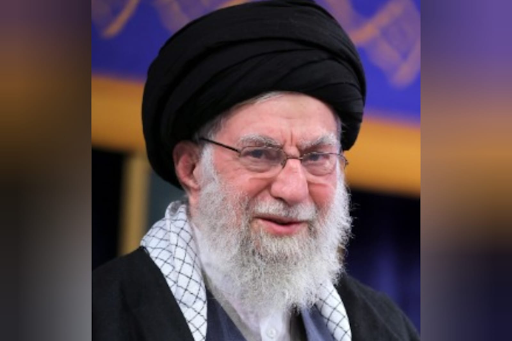
Photo by khamenei.ir, via wikimedia commons
59