
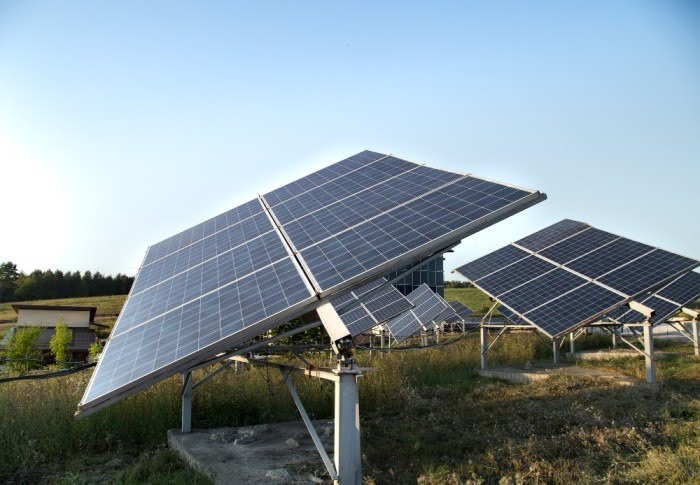
The collaboration between China and Australia in solar energy technology is significantly advancing the global shift towards renewable energy. This partnership merges Australian expertise in innovation with China’s prowess in manufacturing. For decades, Australian researchers, particularly those from the University of New South Wales (UNSW), have led the charge in photovoltaic (PV) technology breakthroughs. Notably, the work of acclaimed researcher Martin Green has been instrumental, contributing to the development of technologies now prevalent in the majority of silicon solar panels produced globally.
China’s role in this partnership has been pivotal, as Chinese students and researchers trained in Australia have returned home, bringing back crucial knowledge and expertise. This transfer of knowledge has been vital in transforming solar panels into affordable and widely accessible products, thanks to China’s large-scale manufacturing capabilities and integrated supply chains. Over the past two decades, China’s advancements in manufacturing capacity, technological improvements, and automation have substantially reduced the costs of solar panels, thereby making renewable energy more attainable worldwide.
Australia’s adoption of solar energy is noteworthy, with over 4 million households now utilizing rooftop solar systems. This rapid adoption has not only helped in reducing electricity bills for consumers but also increased the proportion of renewable energy in the nation’s power generation mix. The China-Australia partnership is praised by industry leaders as a model of how nations can combine their respective strengths to further clean energy objectives. While Australia offers research prowess, abundant sunlight, and deployment opportunities, China provides the necessary large-scale manufacturing and technological enhancements.
As both countries continue their investments in renewable energy, their collaborative efforts are expected to remain crucial in promoting economic growth, ensuring energy security, and supporting global initiatives to cut carbon emissions. This partnership exemplifies how international cooperation can play a vital role in addressing the challenges of climate change and advancing the global clean energy agenda.