
Iran’s Revolutionary Guards chose the symbolic occasion of al-Quds Day on Friday to launch a new series of coordinated missile and drone attacks on Israel, declaring the operation part of their annual day of solidarity with the Palestinian cause. President Donald Trump dismissed the attacks as the desperate actions of a cornered regime, calling Iranian leaders “deranged scumbags” and vowing that US strikes on Iran would intensify dramatically in the coming days. The competing offensives painted a picture of a conflict where neither side was ready to yield.
Al-Quds Day, which falls on the last Friday of the holy month of Ramadan, has historically been marked by protests and symbolic gestures in Iran and among its allies. This year it was marked instead by actual warfare, with the Revolutionary Guards announcing new salvoes of missiles and drones against Israeli targets in coordination with Hezbollah. Hezbollah fired several rocket salvoes at northern Israel from Lebanon, injuring close to 60 people. Israel responded with continued bombing of Lebanon, killing eight in Sidon and striking the Zrarieh Bridge.
Trump announced late Friday that US forces had obliterated every military facility on Kharg Island, Iran’s most critical oil terminal, in what he called one of the most powerful bombing raids in Middle Eastern history. He warned that the island’s oil infrastructure would be struck next if Iran continued to disrupt Strait of Hormuz shipping. Defence Secretary Pete Hegseth confirmed that combined US-Israeli forces had struck over 15,000 targets since the war began, at a rate exceeding 1,000 per day. Israel alone reported over 200 strikes in the most recent 24 hours.
The human cost of the war on all sides remained grim. Iran has reported over 1,300 deaths. Lebanon has counted more than 600 killed and 800,000 displaced. Israel reports 12 deaths. Thirteen US service members have been killed, including six in a tanker aircraft crash in Iraq. France lost a soldier in Iraq to a pro-Iranian militia drone. Tehran residents described the city as under near-constant bombardment, with power cuts, fuel shortages, rubble in the streets, and a population too terrified and fuel-starved to flee.
Iran’s new supreme leader Mojtaba Khamenei, described by US officials as wounded and hiding underground, issued a written statement Thursday pledging continued resistance. His father Ayatollah Ali Khamenei, who ruled Iran for 37 years, was killed in the Israeli strike that sparked the current war. European governments reportedly opened quiet diplomatic negotiations with Tehran aimed at securing safe passage for their commercial vessels through the blockaded Strait of Hormuz. With Trump promising harder strikes and Iran showing no sign of backing down, the conflict was widely expected to escalate further in the days ahead.
Trump Calls al-Quds Day Attacks by Iran ‘Desperate’ as Revolutionary Guards Fire on Israel
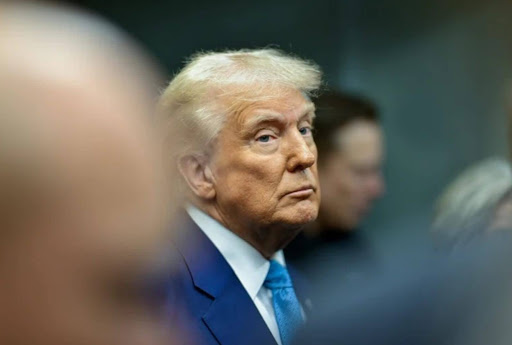
Picture Credit: Rawpixel (Public Domain)
60