
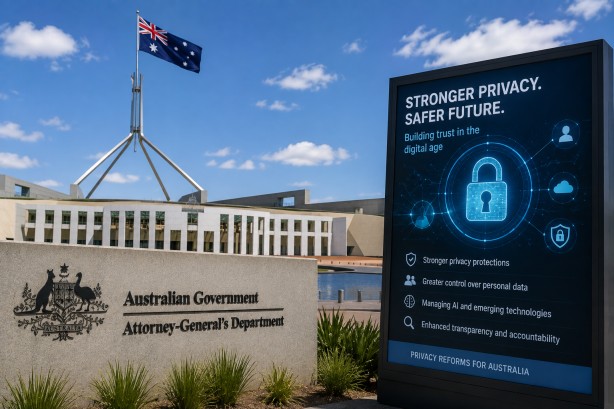
In a bid to bolster the protection of personal data amidst the escalating use of technologies such as artificial intelligence and facial recognition, Australia has unveiled a proposal for sweeping changes to its privacy laws. Central to these reforms is the introduction of a “fair and reasonable” test, compelling organizations to provide justification for the collection and utilization of personal information. Furthermore, the proposed legislation aims to reinforce the rights of individuals, empowering them to demand the deletion of their personal data from the repositories of major digital platforms, and establishing more stringent consent requirements.
The Australian government is also advocating for enhanced safeguards concerning the use of personal data in targeted advertising, data trading, and activities related to artificial intelligence. These measures are designed to grant Australians greater autonomy over their personal information, ensuring they have a say in how their data is collected, utilized, and shared. This push for reform comes at a time when privacy concerns are notably high among the Australian public, with government research indicating robust support for more control over personal data and a legal pathway to request its removal.
The proposed changes also tackle the contentious issue of facial recognition technology. With growing regulatory scrutiny over the deployment of biometric data in publicly accessible areas, such as retail spaces, the reforms aim to address these concerns by stipulating clearer guidelines and regulations. These measures are intended to provide a more comprehensive framework for the responsible use of such technology, balancing innovation with privacy rights.
Public consultation on the proposed legislation is currently underway, with the government inviting submissions until September 18, 2026. This consultation process is a crucial step in refining the proposals, allowing for stakeholder input and ensuring the final legislation is robust and comprehensive. While the reforms are subject to further analysis and adjustments, they signal a significant shift towards more rigorous privacy protections in response to the evolving digital landscape.