
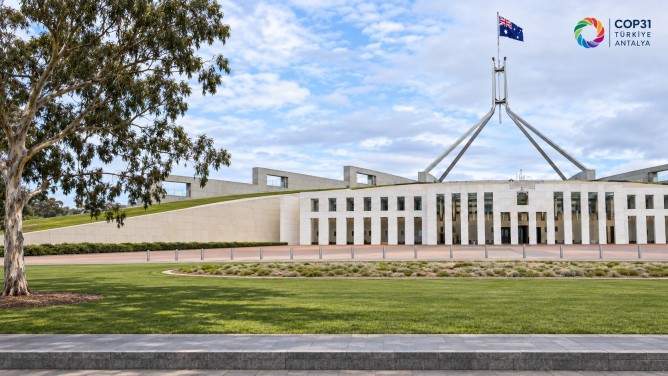
The collapse of the COP31 climate talks in Antalya, Türkiye, has sparked a political backlash in Australia, with opposition politicians demanding the resignation of Energy Minister Chris Bowen. As president of the conference, Bowen faced criticism from Australian opposition leader Angus Taylor, who labeled the discussions a significant diplomatic failure.
The negotiations, which ran from November 9, ended without a consensus due to disagreements over the role of fossil fuels in climate change. The European Union and other countries rejected the final agreement, citing its inadequacy in addressing fossil fuel contributions. Opposition from Saudi Arabia and other oil-producing countries further complicated the talks.
Angus Taylor criticized the Australian government’s handling of the summit, questioning the A$150 million expenditure and pushing for Bowen’s ouster. Prime Minister Anthony Albanese defended his administration’s climate policies, emphasizing adherence to scientific evidence while safeguarding national interests.
The failure of COP31 has raised significant concerns about the future of international climate cooperation, especially as global temperatures are projected to surpass the critical 1.5°C threshold. This development is particularly alarming for Pacific island nations, which are increasingly vulnerable to rising sea levels and severe weather conditions.
China expressed its disappointment over the lack of consensus, while India highlighted its ongoing constructive engagement with other countries to reach a common agreement. The outcome has renewed skepticism about the effectiveness of international climate negotiations in driving substantial emissions reductions.