
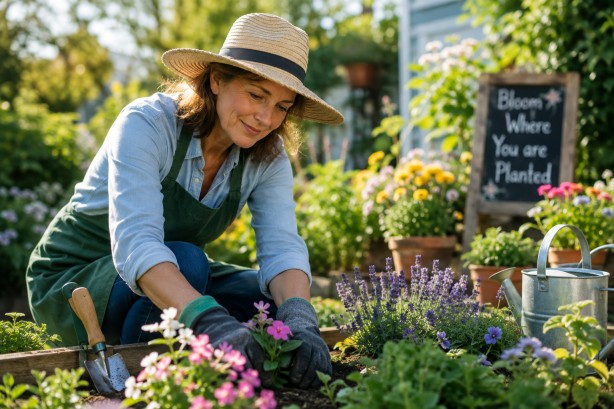
Gardening, often perceived as a tranquil pastime, might hold benefits that extend well beyond cultivating a picturesque garden. Engaging in this activity merges physical exercise, outdoor exposure, sensory experiences, and nature interaction, all of which are linked to enhanced well-being. Studies indicate that gardening offers a multitude of physical and mental health advantages, presenting a compelling case for its inclusion in a healthy lifestyle.
One key benefit of gardening is its role in supporting cognitive health. The activity involves movement, strategic planning, and the engagement of various senses. Tasks such as selecting plants, adhering to care schedules, and working with soil provide consistent mental stimulation. Research suggests that this combination of physical activity and mental engagement can improve cognitive functioning. Additionally, gardening serves as a stress reliever. Being amidst greenery fosters a calming atmosphere, helping to alleviate stress. Activities such as watering, pruning, and planting offer a respite from daily stressors, with reduced stress levels being tied to better health outcomes.
Beyond reducing stress, gardening also enhances mental well-being by instilling a sense of purpose and achievement. Observing plant growth and tending to them encourages more time spent outdoors, away from everyday distractions. Research links gardening with improved mood, reduced anxiety and depression, and heightened life satisfaction. Furthermore, it promotes physical activity as tasks like digging, planting, and carrying soil engage various muscle groups, offering a practical way to incorporate more movement into one’s day, especially for those with sedentary lifestyles.
The act of gardening naturally draws people outdoors, increasing exposure to daylight and thus aiding in vitamin D production, which is vital for bone health and immune function. Despite the health benefits of sunlight, it is important to balance sun exposure with adequate protection. In the long term, the blend of physical exercise, stress reduction, and outdoor time facilitated by gardening can contribute to improved health. Research highlights that among older adults, gardening is associated with better cardiovascular health and a reduced risk of certain lifestyle-related conditions, supporting healthier aging.
Gardening does not necessitate a vast backyard or extensive expertise. Whether it’s growing a few herbs, tending to indoor plants, or spending brief periods caring for flowers, gardening provides a chance to engage physically, relax mentally, and reconnect with nature. Rather than just a hobby, gardening can serve as a straightforward means to incorporate physical activity, outdoor time, and mental relaxation into daily routines, offering multiple benefits to one’s lifestyle.