
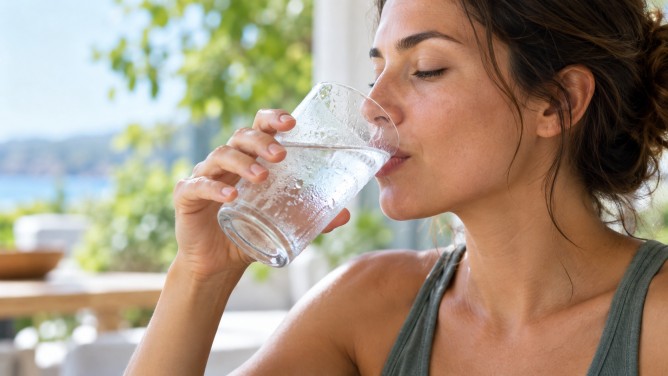
After a vigorous workout or a sweltering day in the sun, reaching for a glass of cold water can feel incredibly satisfying. This refreshing sensation is not just in your head; it’s rooted in the body’s response to temperature and thirst. While room-temperature water hydrates just as effectively in most situations, cold water often feels more invigorating due to the body’s physiological reactions.
Thirst signals that the body needs fluids, prompted by decreases in water levels from activities like sweating or not drinking enough. When this happens, the brain detects a shift in fluid balance and urges you to hydrate. Interestingly, even before water is fully absorbed, drinking can provide a sense of relief. This is especially true when the water is cold.
The mouth and throat are equipped with temperature-sensitive nerve endings that pick up the coolness of cold water as it passes through. This activates a cooling sensation, which is particularly pleasant when the body is overheated. The contrast between a warm body and the cool refreshment of cold water enhances the satisfying feeling with each sip.
Beyond physical sensations, the brain plays a crucial role in the perception of thirst and relief. Sensory signals from the mouth and throat quickly reach the brain, helping to alleviate the feeling of thirst even before the body has fully absorbed the water. Cold water intensifies this immediate sense of relief by combining the act of drinking with the distinct cooling sensation.
Despite the immediate satisfaction it provides, cold water is not necessarily more hydrating than room-temperature water. Both temperatures can effectively replenish fluids, and the best choice often depends on individual preference, activity level, and the surrounding conditions. Some people may find cold water easier to drink in hot weather, while others might prefer a less chilled option.
In conclusion, while cold water can feel exceptionally refreshing due to its cooling effect on the mouth and throat, the most important factor is choosing the temperature that encourages you to stay hydrated. Ensuring adequate fluid intake is essential, particularly when engaging in activities that increase sweating or during periods of intense heat.