
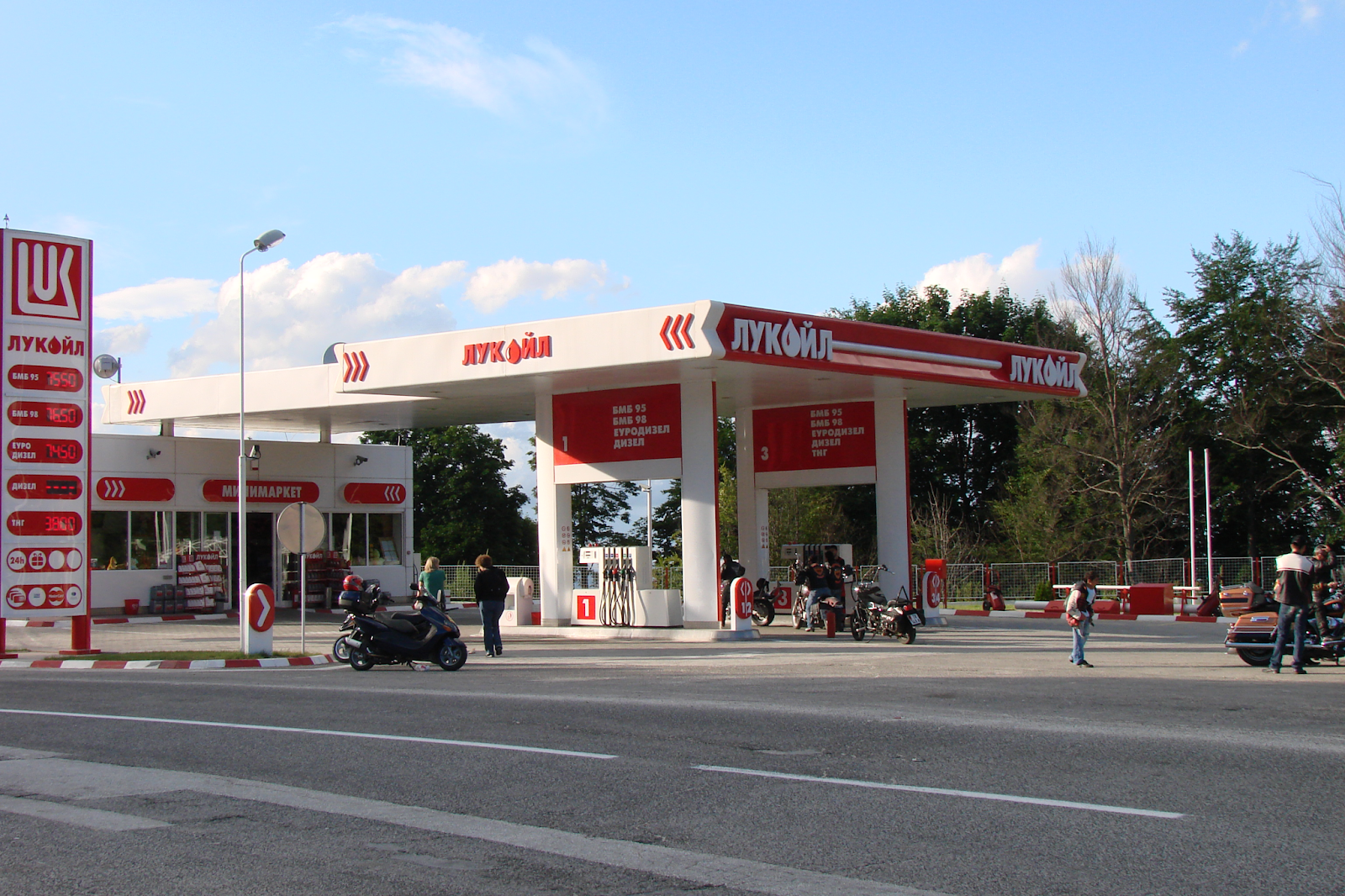
Showcasing an impressive long-range precision capability, the General Staff of the Armed Forces of Ukraine announced that Ukraine strikes Russian oil facilities located in the Caspian Sea. The targets of this operation were the V. Filanovsky, Yuri Korchagin, and Valery Grayfe drilling platforms, all of which are owned by Lukoil. According to the official report, the platforms sustained direct hits during the attack. This strike is strategically significant because it targets the very source of Russia’s wealth. Oil revenue is the lifeblood of the Russian economy and the primary financier of the war in Ukraine. By disrupting production at these offshore sites, Ukraine is aiming to dry up the funds that keep the Russian military operational.
The platforms had been probed and targeted multiple times in the preceding weeks, indicating a persistent Ukrainian interest in disabling them. The fact that direct hits were achieved suggests a failure of Russian defensive measures in the Caspian region. While damage assessments are ongoing, the potential implications for Russia’s energy exports are serious. Lukoil’s silence on the matter adds to the ambiguity, leaving observers to wonder if the platforms have been rendered inoperable. This move is part of a wider strategy that includes attacks on refineries and oil terminals, all aimed at systematically dismantling Russia’s energy infrastructure.
In the occupied territories, the battle for air superiority continues. Ukrainian forces successfully identified and destroyed a Buk-M3 medium-range air defense system in the Luhansk region. The loss of this system is a tactical blow to Russia, as it weakens their ability to protect ground forces from aerial threats. Reports of multiple explosions at the impact site confirm the total destruction of the launcher. This success is part of a broader campaign to degrade Russian air defenses, making the skies safer for Ukrainian aviation and allowing for more effective close air support for ground troops.
Logistical disruption remains a key pillar of Ukraine’s strategy as well. A strike on a warehouse in the Kherson region targeted a material and technical support unit, destroying essential supplies. These depots are critical for maintaining the operational tempo of Russian forces. By severing the supply lines, Ukraine is forcing the Russian military to operate with limited resources, which can lead to a decrease in morale and combat effectiveness. This “starvation” of the frontline is a proven tactic for wearing down a numerically superior enemy.
The war’s reach into Russia was further demonstrated by a drone attack on Voronezh. Local officials reported that 17 UAVs were neutralized in one of the largest attacks on the city since the war began. Tragically, the attack resulted in one death and four injuries. This strike serves to bring the reality of the conflict to the Russian population and forces the Russian military to divert air defense assets to protect cities deep within the country, stretching their resources even thinner.
Long-Range Precision: Ukraine Strikes Russian Oil Facilities Deep in the Caspian Sea
Picture Credit: www.commons.wikimedia.org
19