
South Africa’s preparations for the G20 summit have been vindicated, with President Cyril Ramaphosa confirming the US is in talks to reverse its planned boycott. The diplomatic shift, occurring just before the summit, suggests the controversial claims that led to the initial snub have failed to derail the meeting. Ramaphosa was cautious, offering no confirmation on President Donald Trump’s attendance.
The controversy began with President Trump’s claims alleging discrimination, violence, and unjust land seizures targeting white Afrikaner farmers. South Africa’s government strongly refuted these claims, labeling them as inaccurate, politically motivated, and a deliberate distraction from the summit’s core focus on global economic issues.
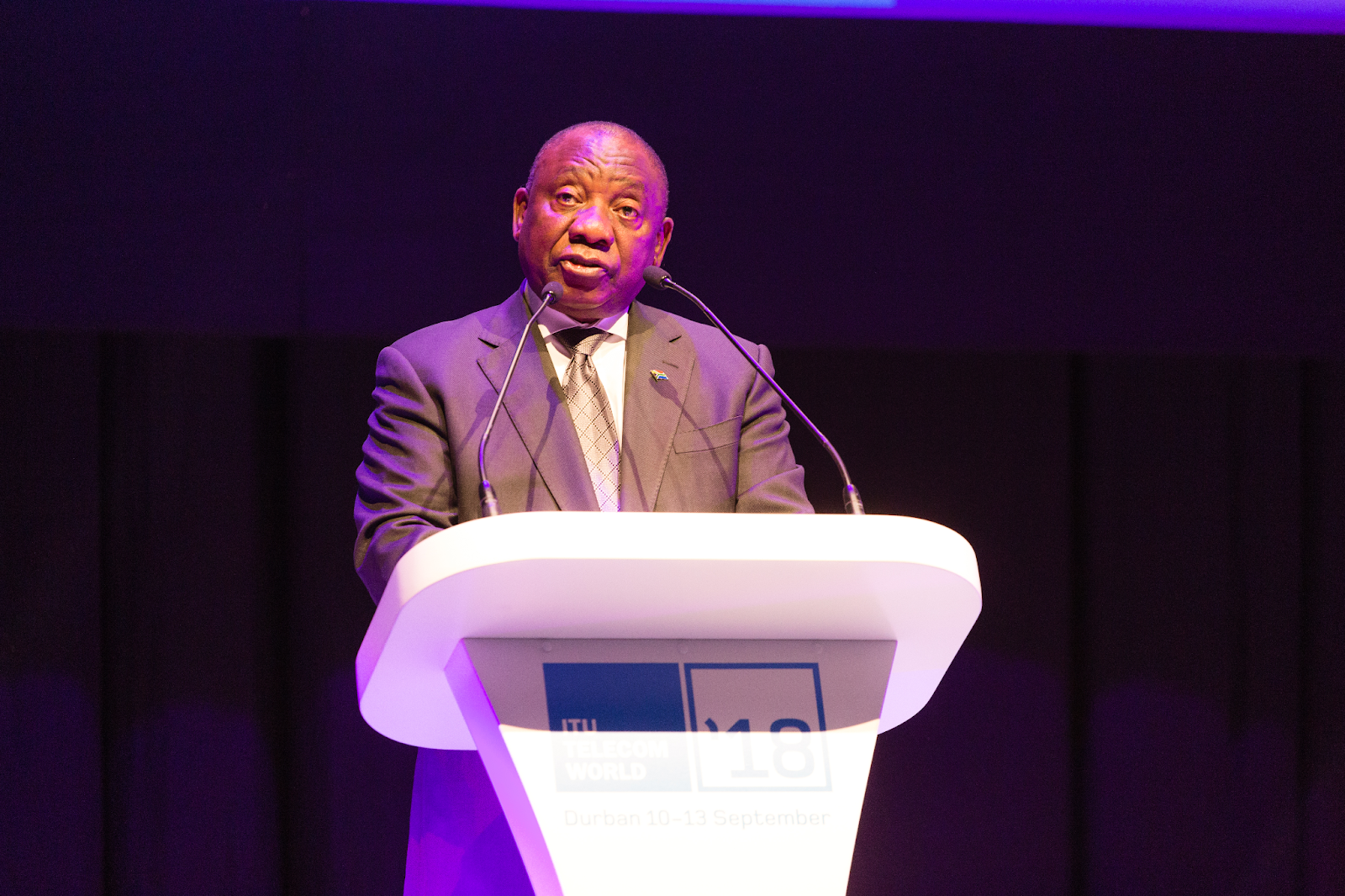
Speaking with European counterparts, Ramaphosa expressed optimism, calling the US outreach a clear “positive sign” that dialogue was prevailing. He reiterated his belief that boycotts rarely lead to constructive solutions, arguing for the necessity of inclusive global cooperation. South Africa’s G20 agenda is centered on the key economic priorities of the developing world.
The most intense diplomatic friction involved a US note warning that the G20 could not produce a unified final statement without American participation. South Africa condemned this tactic as outright coercion, asserting that it undermined the bedrock of multilateral decision-making. Officials stressed the imperative of not setting an unacceptable precedent for an absent power.
Ramaphosa concluded by affirming South Africa’s unwavering commitment to achieving consensus among the G20 members. He acknowledged the upcoming US G20 presidency but maintained that the forum’s legitimacy is derived from its principle of inclusivity and shared responsibility, not from submission to the unilateral political will of one member.
Land Claims Fail to Stop Summit: US Reconsiders G20 Absence
Picture credit: www.commons.wikimedia.org
32