
President Donald Trump has implemented a three-city geographic approach to facilitating Ukraine-Russia peace, with Washington, Berlin, and Miami each playing distinct roles in coordinated diplomatic efforts. Trump’s Thursday Oval Office warning to Ukraine from Washington adds presidential weight to efforts that have seen his envoys travel from Berlin consultations with Ukrainian officials to upcoming Miami meetings with Russian representatives, creating a geographically distributed but strategically unified peace push.
The three-city approach reflects deliberate choices about which cities should host which aspects of the complex mediation effort. Washington provides the presidential platform for public messaging aimed at influencing both parties and domestic audiences. Berlin offered neutral European ground for intensive consultations with Ukrainian representatives. Miami will host discussions with Russian officials on American territory, potentially providing psychological advantage. This geographic distribution creates distinct diplomatic spaces for different negotiating functions while maintaining strategic coherence.
Steve Witkoff and Jared Kushner embody the geographic coordination by traveling between cities as they engage different parties. Having completed Berlin consultations with Ukrainian officials, they now prepare for Miami discussions with Russian representatives, carrying insights from one geographic venue to another. Trump’s Washington intervention between these two meetings adds presidential emphasis to the overall effort, creating temporal and geographic coordination across three cities.
Ukrainian President Zelensky and US officials have characterized recent negotiating rounds in cautiously optimistic terms, suggesting dialogue has generated some positive momentum. However, Ukraine’s position on territorial integrity remains unwavering: no peace agreement will legitimize Russian control over any Ukrainian sovereign territory. Ukrainian officials have been particularly clear about the Donbas region, declaring it non-negotiable despite the three-city diplomatic coordination aimed at encouraging flexibility.
Russia’s core demands center on territorial recognition that Ukraine categorically rejects. Moscow currently exercises control over Crimea, annexed in 2014, and substantial portions of Donetsk, Luhansk, Zaporizhzhia, and Kherson, occupied during the 2022 invasion. Russian negotiators insist not only on Ukrainian recognition of these territorial changes but also on complete Ukrainian military withdrawal from the entire Donbas region, including areas currently under Kyiv’s control. US officials familiar with the negotiations report that Russian delegates have shown minimal interest in moderating these territorial requirements. Trump’s three-city geographic approach demonstrates impressive organizational coordination and strategic sophistication in distributing diplomatic functions across Washington, Berlin, and Miami, yet this geographic distribution cannot overcome the fundamental substantive obstacle: the parties’ mutually exclusive positions on territory remain incompatible regardless of which cities host discussions or how effectively Trump coordinates efforts across multiple geographic venues.
Geographic Diplomacy: Trump’s Three-City Approach to Ukraine-Russia Peace
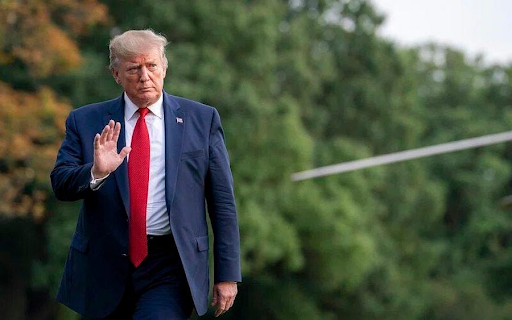
Picture Credit: www.rawpixel.com
31
previous post