
Cornwall’s standing stones encode information that extends beyond their physical presence. Monument positions, alignments, and relationships create a dataset recording Neolithic astronomical knowledge, cosmological beliefs, and community priorities. Decoding this information requires careful archaeological investigation combining multiple methodologies—survey techniques, archaeoastronomy, comparative analysis, and experimental archaeology.
Archaeoastronomer Carolyn Kennett’s work exemplifies this investigative approach. By carefully surveying monument positions and calculating sight lines, she identifies patterns revealing astronomical intentions. Her research demonstrates how the Land’s End peninsula’s stone circles, burial chambers, and standing stones collectively create an integrated system for solar observation oriented particularly toward winter solstice phenomena.
Individual monuments contribute specific information to this larger dataset. Chûn Quoit’s position records winter solstice sunset behind Carn Kenidjack—a single data point that demonstrates precision alignment capabilities. Tregeseal circle’s framing of the Isles of Scilly adds information about how Neolithic peoples conceptualized southwestern horizons and their cosmological significance.
The Kenidjack holed stones present more complex encoding. Their unique design suggests calendrical functions involving changing sunlight patterns through autumn months. Decoding this information requires both astronomical calculation and experimental observation to determine what phenomena would have been visible during prehistoric times.
Monument relationships provide additional information. Intervisibility between sites, coordinated alignments, and shared orientations suggest communities possessed sophisticated understanding of landscape-scale design. They didn’t simply position individual monuments but created integrated systems where multiple structures reinforced astronomical observations and cosmological meanings.
Contemporary engagement with this encoded knowledge takes multiple forms. Scholarly research continues extracting information through improved survey techniques and analytical methods. Experiential observation allows people to witness astronomical phenomena recorded in monument alignments. Community celebrations including the Montol festival maintain traditions rooted in the cosmological beliefs these monuments embody. This combination of intellectual investigation and lived experience demonstrates how Cornwall’s standing stones continue communicating across four thousand years, sharing knowledge about how prehistoric communities understood their relationships with cosmos, landscape, and the seasonal cycles that structured existence.
The Ancient Knowledge Embedded in Cornwall’s Standing Stones
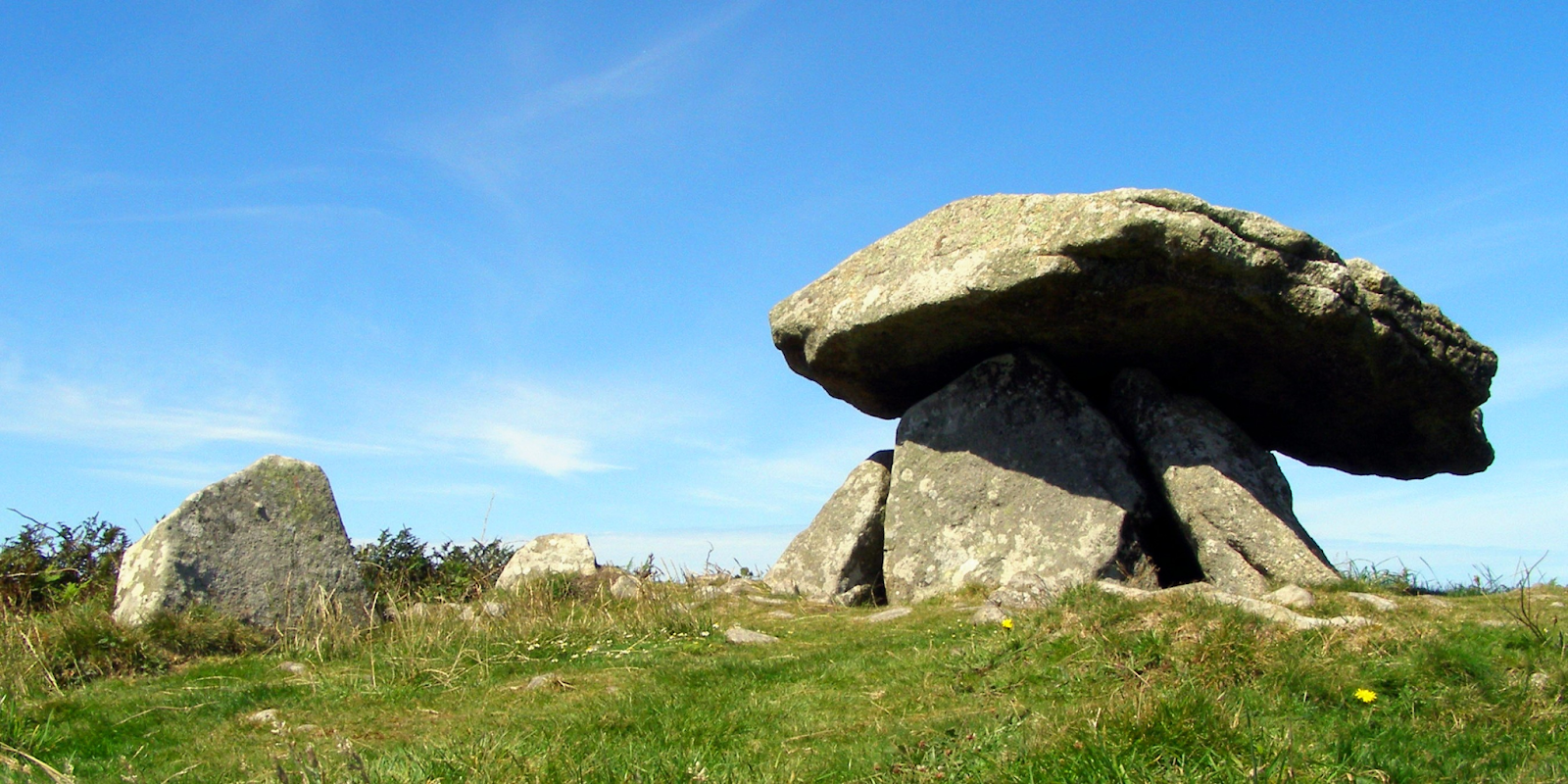
Photo by Jim Champion (treehouse1977), via wikimedia common
23