
International efforts to negotiate an end to the nearly four-year military conflict in Ukraine are showing signs of progress, with diplomatic representatives from key nations reporting positive momentum in ongoing discussions. Russian officials have characterized recent talks as constructive in nature, while Ukrainian leadership has emphasized the rapid pace at which diplomatic channels are advancing various proposals and frameworks.
The current round of negotiations in Florida represents a central element of the Trump administration’s sustained diplomatic campaign to broker peace between the warring parties. This initiative has expanded beyond bilateral discussions to encompass broader consultations with European partners, most notably through meetings conducted in Berlin during the current week. The multi-venue approach underscores recognition that achieving sustainable peace requires coordination among numerous international actors with interests in regional stability.
Kirill Dmitriev, serving as Russia’s envoy to the talks, provided reporters with an update on the negotiation timeline while in Miami. He confirmed that discussions had begun earlier in the week and would extend through additional sessions, indicating the substantial agenda being addressed. His engagement included meetings with prominent American officials who have been empowered to negotiate on behalf of the US administration. Ukrainian President Zelenskyy conveyed through social media platforms that his negotiating delegation was actively collaborating with American representatives and that he viewed the diplomatic progress favorably.
Significant obstacles remain as the parties work to bridge fundamental disagreements on core issues. Moscow has recently reaffirmed maximalist positions regarding territorial and political concessions it expects from Ukraine, with President Putin expressing confidence that Russian military operations can achieve these objectives absent a negotiated agreement meeting Moscow’s terms. This posture reflects Russia’s calculation that ongoing battlefield advances, though costly, strengthen its negotiating position.
European nations continue playing a dual role of supporting Ukraine materially while exploring diplomatic opportunities that could facilitate peace. The French government has expressed willingness to engage in direct dialogue with Russian leadership if such communication could advance ceasefire prospects and contribute to a durable peace arrangement. Concurrently, European Union members have formalized commitment of 90 billion euros in comprehensive assistance to Ukraine spanning military and economic needs for the next two years, securing these funds through capital market borrowing after disagreements prevented use of frozen Russian assets as originally contemplated.
Constructive Dialogue Reported as Multiple Nations Pursue Ukraine Peace Settlement
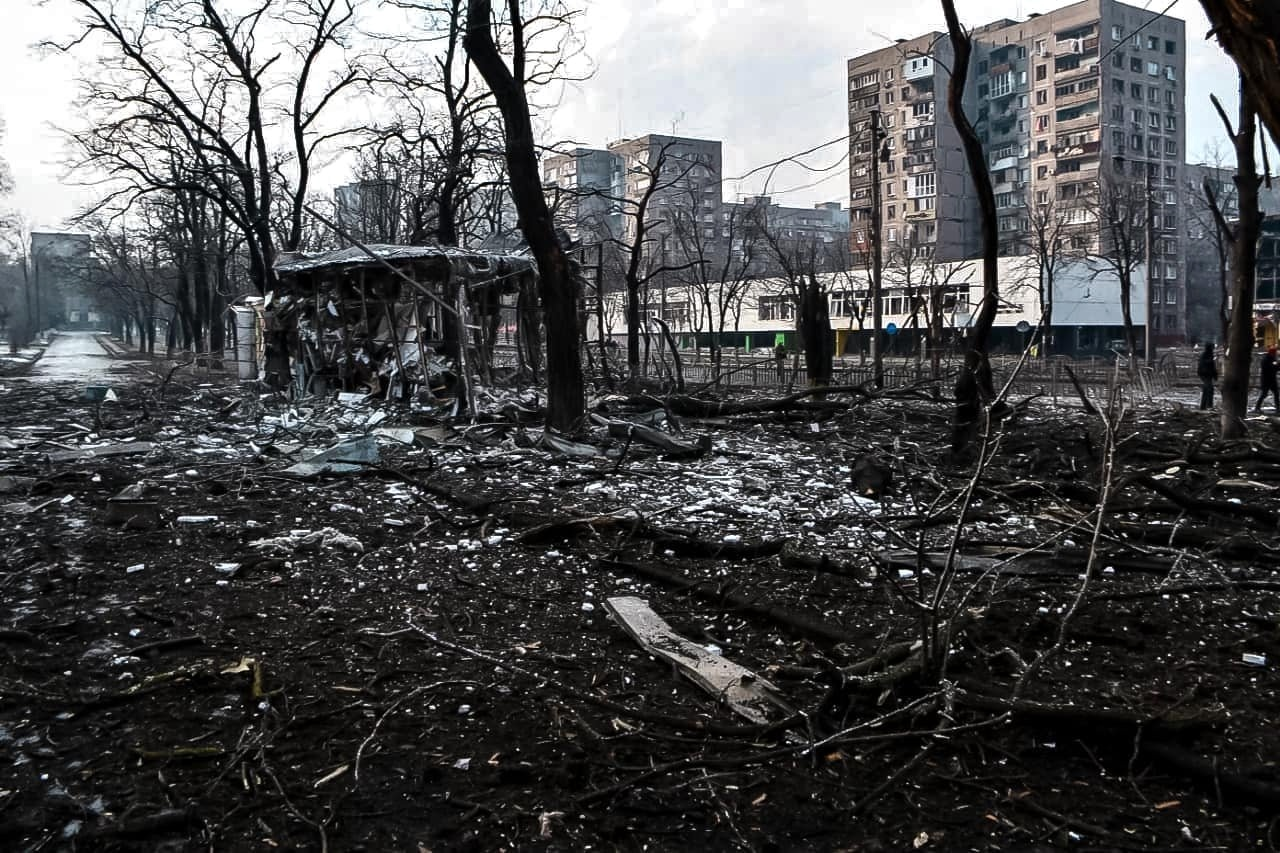
Photo by Ministry of Internal Affairs of Ukraine, via wikimedia commons
23