
Ross Byrne has warned that athletic profiles suited to physical aerial contests may displace traditional technical skills in rugby recruitment priorities. The Gloucester fly-half’s analysis suggests that rule enforcement changes are inadvertently revolutionizing what attributes teams seek in player development.
World Rugby’s crackdown on escort defending has created competitive dynamics where success depends heavily on winning physical aerial duels. Statistical evidence demonstrates that teams employing kicking strategies recover possession more reliably than those attempting traditional phase play, creating rational incentive to prioritize athletic prowess.
Byrne outlined a provocative scenario where teams might convert young, athletic second-row forwards into specialist wingers focused on chasing kicks rather than develop traditionally skilled backs. This suggestion, while hypothetical, reflects his genuine concern that physical attributes are overwhelming technical abilities in recruitment importance.
The experienced international’s critique encompasses broader officiating trends that compound the emphasis on athleticism over technique. He highlighted ruck interpretations that make possession retention difficult, creating additional pressure to employ strategies favoring physical profiles regardless of position or traditional skill requirements.
Beyond tactical concerns, Byrne criticized structural aspects of professional rugby, particularly extended international breaks that disrupt club competitions. His comments accompany Gloucester’s improving fortunes following a challenging season start, with recent victories providing confidence ahead of their European fixture against Munster.
Athletic Profiles May Displace Technical Skills in Rugby Recruitment
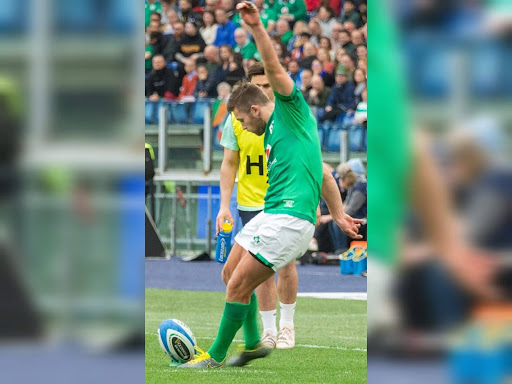
Picture credit: www.commons.wikimedia.org
23