
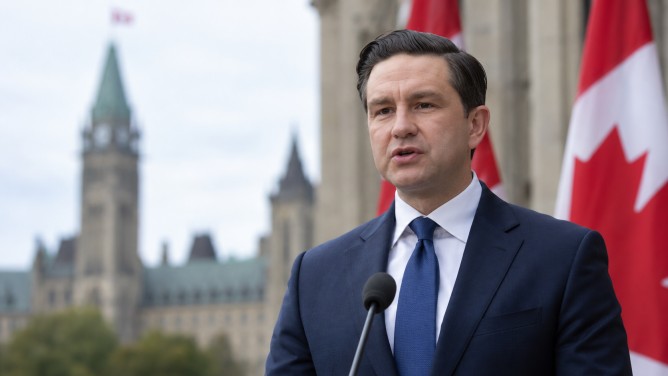
Canada’s potential shift towards a closer relationship with Europe could have significant implications for its trade and policy direction. This prospect has sparked debate, with opposition leader Pierre Poilievre voicing strong opposition, stating that Canada should not become the “28th state of the European Union.” His remarks highlight concerns over adopting European-style taxes, laws, and immigration policies.
Poilievre’s comments follow European Commission President Ursula von der Leyen’s suggestion that Canada might become the EU’s first “associate member.” While this would mark a historic step in Canada-EU relations, Poilievre insists that the existing free trade agreement and NATO ties suffice, underscoring a preference for maintaining Canada’s sovereignty over its domestic policies.
Meanwhile, Prime Minister Mark Carney has expressed a more open stance towards enhancing cooperation with Europe. He sees potential benefits in expanding opportunities for young people and integrating financial services more closely. Carney has assured that any proposed partnership will undergo thorough debate and a parliamentary vote, indicating a democratic process before any commitments are made.
The discussion of this potential partnership with the EU puts Canada at a crossroads. On one hand, it could open new economic avenues and strengthen international ties; on the other, it raises questions about the extent of influence Europe might have on Canadian policies. The unfolding political discourse will be crucial in determining the path Canada chooses.