
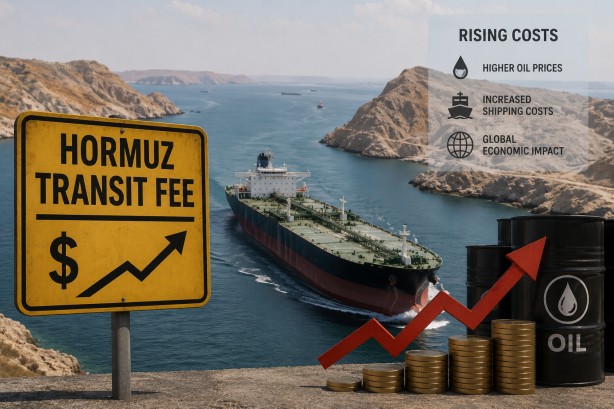
Iran and Oman have proposed introducing a transit fee for ships navigating the Strait of Hormuz, a move that could significantly alter the landscape of global energy trade by increasing shipping costs. The suggested fee is about $1 per barrel of oil transported through this critical maritime corridor. Considering the current Brent crude price hovering around $86 per barrel, this fee would account for roughly 1.2% of each barrel’s value.
The Strait of Hormuz is a pivotal artery in global shipping, facilitating about 20% of the world’s oil consumption. Analysts project that the proposed fee could yield approximately $6.8 billion in annual revenue, exceeding the income generated from the Suez Canal’s transit fees. While the fee might seem modest, experts caution that it could lead to heightened shipping expenses, thereby influencing fuel prices, air travel costs, freight rates, and the price of imported goods on a global scale.
Proponents of the plan argue that implementing a clear fee structure could be more economical than the financial impacts of disruptions or temporary shutdowns in the Strait, which have previously led to spikes in energy prices and increased market volatility. However, there remain concerns regarding the long-term stability and enforceability of such an agreement.
This potential increase in transit costs is prompting Gulf countries to seek alternative export pathways. The United Arab Emirates, for instance, is investing in pipelines and ports situated outside the Strait, while Saudi Arabia is expanding the use of its East-West pipeline to mitigate dependency on the Strait of Hormuz. Analysts suggest that over time, these infrastructure investments could reduce the volume of oil transported through the Strait, potentially affecting the long-term revenue prospects from any future transit fees.