
Frank Aaskov, director of energy and climate change policy at UK Steel, has emerged as a prominent industry voice expressing concerns about the European Union’s carbon border adjustment mechanism. His assessments characterize the situation as having a “significant negative impact” on the industry, with paperwork representing “quite a burden” particularly for small and medium-sized enterprises.
Brussels has confirmed that the anticipated carve-out will not be implemented by year-end, with industry experts including Aaskov predicting no relief before Easter 2025. Aaskov has been particularly articulate about the competitive dynamics that magnify concerns about even modest costs and administrative burdens. He describes the steel business as “ruthless” with Chinese imports highly competitive, noting that cost differences as small as €5 per tonne can determine whether companies win or lose contracts.
Aaskov’s analysis of specific impacts—such as the €13 per tonne tax on hot rolled wire costing approximately €650 per tonne—illustrates how seemingly modest levies can prove decisive in tight markets. His emphasis on concerns for small and medium-sized enterprises highlights the disproportionate impact on operations with limited resources to absorb additional administrative costs or compliance infrastructure investments.
The mechanism requires comprehensive documentation of carbon emissions throughout manufacturing processes, affecting approximately £7 billion in UK exports. Manufacturing trade body Make UK echoes Aaskov’s concerns, describing the forthcoming paperwork as “extensive” and warning of significant business impacts. The unsuccessful attempt to secure a pre-Christmas exemption reflects political realities within the European Union.
Government representatives are advising businesses to prepare for implementation from January, with support available through the Department for Business and Trade. Negotiations will proceed through two stages: establishing terms of reference, then addressing emissions trading system compatibility. Although actual tax payments won’t be required until 2027 and could potentially be cancelled through successful negotiations, the immediate administrative burden Aaskov characterizes as significant begins in January. EU Climate Commissioner Wopke Hoekstra has characterized discussions with UK officials as productive and suggested immediate costs will be minimal given Britain’s decarbonization progress, but Aaskov’s assessments emphasize the serious concerns within the steel industry. The UK government continues prioritizing a carbon linking agreement to protect the substantial export market.
Frank Aaskov of UK Steel Emerges as Key Industry Voice on Carbon Documentation Concerns
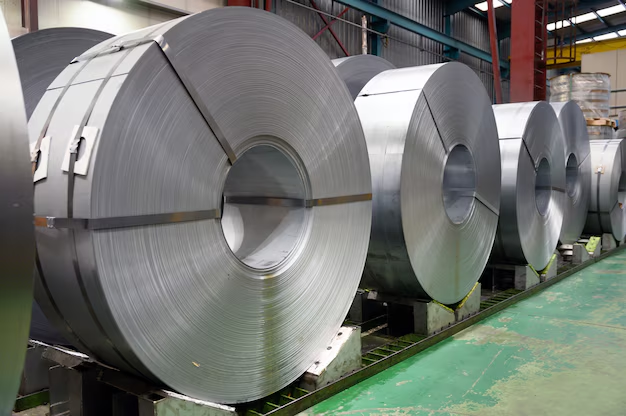
Picture Credit: www.freepik.com
29