
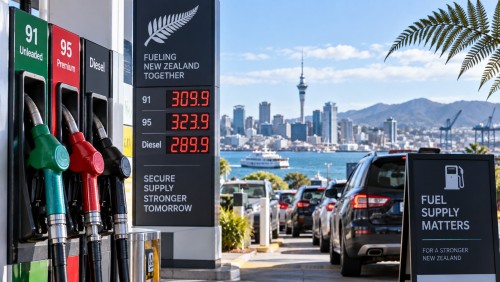
New Zealand’s fuel supply chain, though stable and meeting current domestic demands, faces heightened risks due to disruptions along major international energy routes. As a result, the costs and time associated with transporting fuel to the country have risen, impacting both suppliers and consumers.
The ongoing conflict between the United States and Iran, coupled with the involvement of Iran-aligned Houthi forces in Yemen, has intensified pressure on critical transit points such as the Strait of Hormuz and Saudi Arabian pipelines. This has led to increased logistical challenges for fuel shipments, according to Z Energy chief executive Lindis Jones.
Jones noted that while fuel continues to reach New Zealand, the safety margins have narrowed. Inventories are dwindling, and some refineries are postponing maintenance to keep production levels steady, reducing the market’s capacity to handle further disruptions. This precarious situation leaves little room for error and further strains the supply chain.
The global energy market’s instability suggests that New Zealanders shouldn’t expect significant relief in fuel prices anytime soon. With ongoing uncertainties, prices are likely to remain elevated, affecting consumers and businesses relying on fuel resources.
In this challenging landscape, New Zealand remains vigilant, closely monitoring international developments that could further impact the fuel supply chain. Despite these obstacles, Lindis Jones reassures that, for now, the country’s fuel needs are being adequately met.