
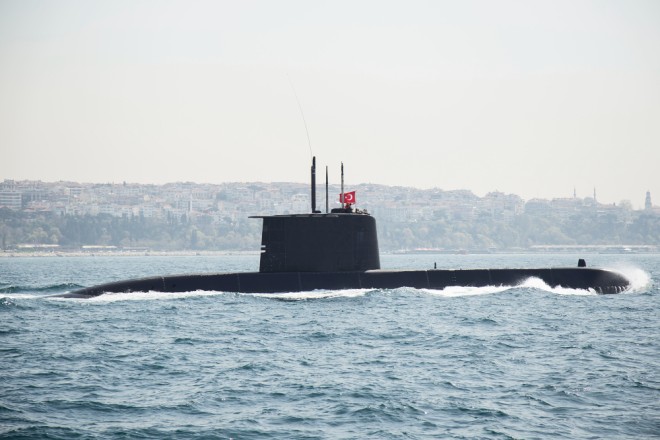
In a significant development, Canada is poised to declare its preferred supplier for a new fleet of submarines, a monumental military procurement project valued at tens of billions of dollars. This initiative, marked as one of the largest in Canadian history, aims to acquire up to 12 new submarines. The selection process has been intensely competitive, with South Korea’s Hanwha and Germany’s ThyssenKrupp Marine Systems (TKMS) emerging as the primary contenders.
The competition has extended beyond mere technical specifications, drawing attention for its strategic marketing campaigns and economic propositions. Hanwha has vigorously promoted its KSS-III submarine, underscoring its capacity to deliver the vessels swiftly and emphasizing potential industrial collaborations and economic investments within Canada. The KSS-III model is notable for its larger capacity and the ability to launch ballistic or cruise missiles from vertical launch systems.
In contrast, TKMS has highlighted its extensive experience as a key supplier of conventional submarines to NATO allies. Its 212CD submarine offers advanced stealth technology and promises interoperability benefits with other NATO members like Germany and Norway, who are also procuring the same platform. The focus on these features underscores the strategic implications of choosing TKMS, particularly in terms of alliance and operational synergies.
Defense analysts suggest the decision remains highly competitive, as both contenders present compelling military, economic, and strategic advantages. Ottawa’s choice is likely to consider not just submarine performance but also factors such as industrial investments, potential job creation, alliance dynamics, and the prospect of long-term partnerships. These considerations reflect the broader influences on Canada’s defense procurement strategy.
The procurement process has been noteworthy for its accelerated timeline and the significant weight placed on economic benefits alongside defense needs. As Canada moves closer to finalizing its decision, the outcome will have far-reaching implications for its military capabilities and international economic engagements.