
The most telling detail of the Bank of England’s latest announcement wasn’t the rate cut itself, but the vote count: 5 to 4. This razor-thin margin reveals just how close the UK came to having no rate cut at all. It implies that the decision hung on the opinion of a single individual within the nine-member Monetary Policy Committee. This level of division is rare and signals extreme uncertainty.
The split creates a dramatic backdrop for 2026. If just one of the five “doves” (who voted to cut) sees a piece of data they don’t like—perhaps a spike in oil prices or a high wage settlement—they could switch sides. This would instantly flip the majority, freezing rates or even raising them. Conversely, if a “hawk” defects, the pace of cuts could accelerate.
This instability makes forward planning a nightmare for businesses and borrowers. Usually, the Bank tries to project a consensus to calm markets. A 5-4 vote does the opposite; it screams that the experts are guessing. Governor Bailey’s “closer call” warning is a direct result of this arithmetic; he knows his majority is paper-thin.
The drama is fueled by the differing philosophies in the room. The dissenters believe in crushing inflation at all costs; the majority believes in nursing the economy back to health. This ideological battle will play out in every meeting next year.
For the mortgage holder, this means volatility. The smooth “glide path” down for interest rates is actually a tightrope walk. One wobble, one bad inflation report, and the 5-4 vote could swing the other way, leaving borrowers stranded with higher costs than they planned for.
The Drama of the 5-4 Vote: How One Person’s Change of Heart Could Swing UK Mortgage Rates in 2026
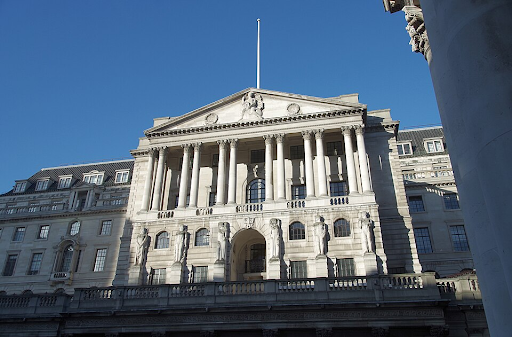
Photo by mattbuck, via wikimedia commons
25