
Ukrainian forces face critical personnel reserve depletion after nearly three years of sustained combat operations, compounding challenges created by ammunition shortages and Russian numerical superiority. The exhaustion of trained personnel reserves limits Ukraine’s ability to rotate units, replace casualties, and maintain defensive effectiveness across extended frontlines. Personnel shortages particularly affect specialized roles including artillery crews, combat engineers, and experienced infantry leaders whose skills require extended training periods to replace.
Mobilization challenges reflect both demographic realities and political constraints limiting Ukraine’s ability to expand military forces sufficiently to match Russian numbers. Ukraine’s smaller population compared to Russia creates inherent disadvantages in sustained attrition warfare, while mobilization expansion faces domestic political resistance from populations already bearing heavy burdens. The Ukrainian government must balance military requirements against economic needs for labor in essential industries and services, creating tradeoffs between immediate military strength and long-term societal sustainability.
The personnel crisis manifests in reports of exhausted units remaining in frontline positions beyond normal rotation schedules and inadequately trained replacements filling critical roles. Combat effectiveness degrades when tired troops lack adequate rest periods and when inexperienced personnel attempt complex military operations. The combination creates vulnerabilities that Russian forces exploit through sustained offensive operations designed to overwhelm depleted Ukrainian defenses through continuous pressure. Reports of “absolute hell” conditions in places like Myrnohrad partly reflect the physical and psychological toll on personnel unable to rotate from intense combat environments.
Western military aid has focused primarily on equipment and ammunition rather than personnel augmentation, as coalition nations lack political will to deploy their own forces in combat roles. Training programs for Ukrainian personnel operate in several countries but cannot produce replacements at rates matching combat casualties and exhaustion rates. The personnel constraint may ultimately prove more limiting than equipment shortages, as Ukraine can receive weapons and ammunition from partners but must generate military personnel from its own population under demographic and mobilization constraints.
Thursday’s coalition video conference occurs as personnel depletion progressively undermines Ukrainian defensive capabilities regardless of equipment and ammunition availability. President Zelenskyy must address whether international partners can provide support addressing personnel challenges or whether current trajectory makes sustained resistance increasingly difficult regardless of other forms of aid. As Russian forces advance through sustained pressure against exhausted Ukrainian defenders, the personnel crisis creates another compelling argument for negotiated settlement before military collapse forces acceptance of even more unfavorable terms. However, accepting peace terms while personnel reserves remain partially intact versus waiting until complete exhaustion creates difficult timing calculations for Ukrainian leadership facing multiple simultaneous pressures.
Personnel Reserves Depletion Compounds Ukraine’s Military Challenges
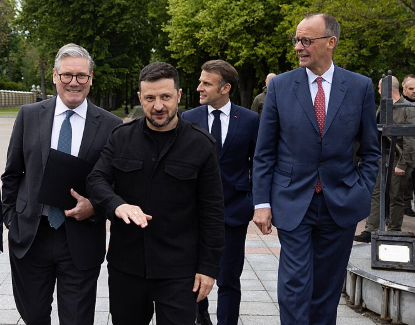
Picture credit: www.commons.wikimedia.org
33